


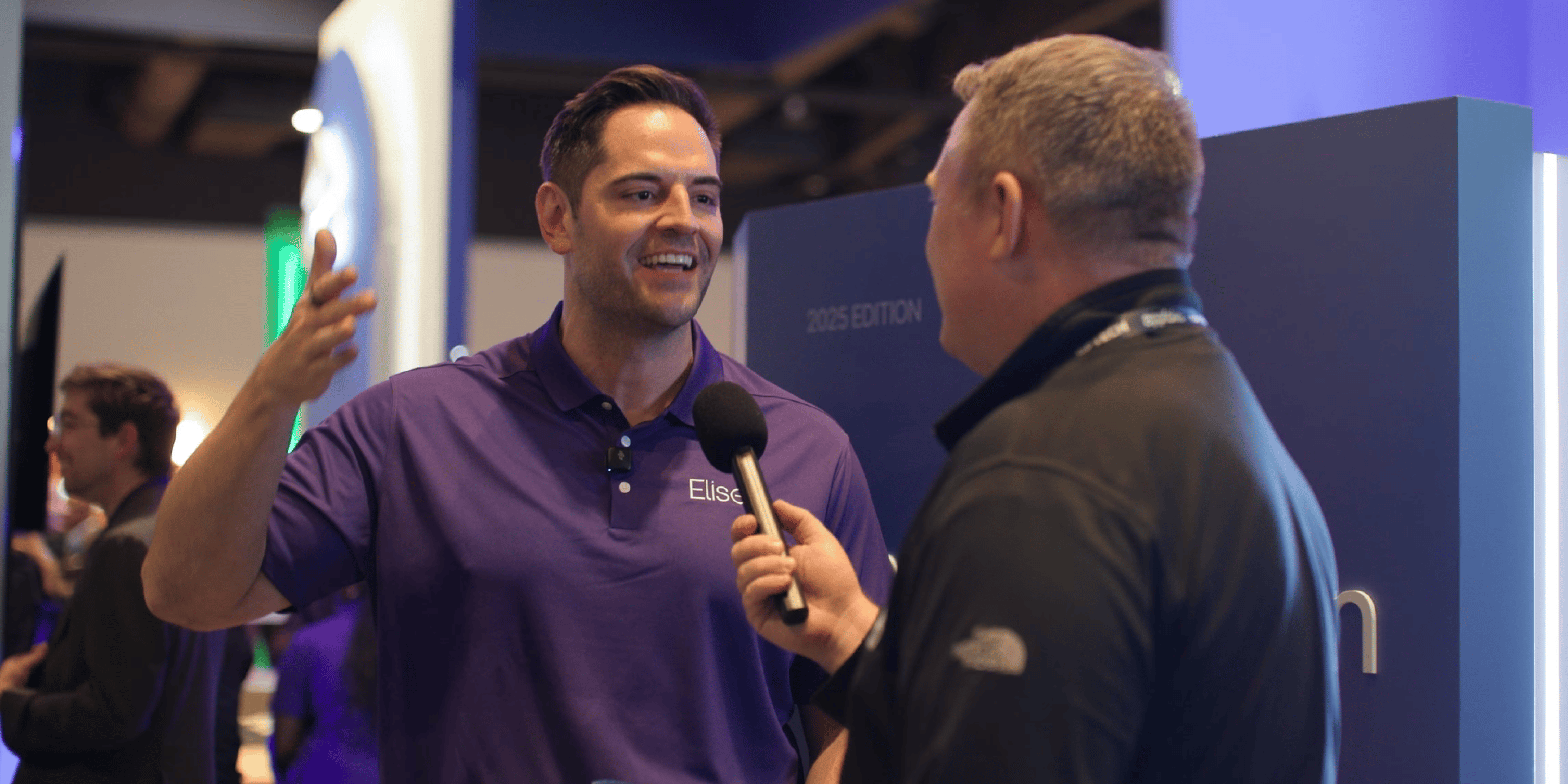
Walking the floor at OPTECH this year, my big takeaway was how the industry has entered a new phase in how it thinks about technology. In past years, conversations centered on features, capabilities, integrations, and incremental improvements. This year felt fundamentally different. Attendees weren’t looking for something new, they were looking to simplify what they already have. My conversations all focused on strategy - how do we get the most out of what we already have? - rather than the FOMO of the latest feature or offering.
There seemed to be a shared realization that tech consolidation has reached a breaking point, and operators are now prioritizing efficiency, cost protection, and customer experience above all else. For me, that shift was the headline because the conversations were very different than the ones our industry was having even two years ago, back when I came to OPTECH in search of a new Call Center platform to support my centralized services team. Instead of looking for what’s new, attendees were looking for platforms that could reduce complexity, support strained teams, and improve renter experience without adding to workloads.
TL;DR? This year’s OPTECH was less about new tech and more about examining the strategy behind existing technology stacks.
.svg)

Shift in OPTECH Attendees in 2025
Part of what reinforced that shift was (1) the limiting of attendees in 2025 to RETTC members only, which seemingly led to more executive participation than in years past, and (2) the release of the Customer Experience (CX) Technology Survey, which served as a complementary backdrop to the themes emerging throughout the conference.
The survey, released by RETTC and our friends at Newmark RF, had insights from attendees representing more than 60 property management companies across the industry, with portfolios ranging from under 5,000 units to more than 60,000 units, and spanning ownership groups, third-party managers, and vertically integrated firms.
That breadth matters because it validates that the momentum around consolidation and CX advancement isn’t isolated to a small subset of operators. It’s becoming industry-wide.


Cost Pressures Are Rewriting Technology Decisions
The survey data also confirmed what many leaders vocalized throughout OPTECH: operators are shifting toward technology decisions driven by operational efficiency, cost reduction, and customer satisfaction, not novelty or feature expansion. In an operating environment where margins are tightening and expenses keep climbing, point solutions that only support one stage of the customer journey are becoming harder to justify.
Just like our personal budgets, it’s less about what operating want and more about what they need as the tolerance for fragmented tools, redundant systems, and disjointed workflows has reached a breaking point. Those pressures are reshaping tech roadmaps. Operators aren’t just cutting tools because they want simplicity. They’re cutting because they need outcomes. They’re reducing stack size because every integration and platform creates friction.
And they’re demanding measurable ROI instead of theoretical upside. I’ve borrowed the below graph from RETTC and Newmark’s report because it does a great job helping visualize how the industry is thinking about new tech vs. optimizing existing tech.
.avif)
Technology Must Now Face the Customer, Not Just the Back Office
Another theme that surfaced repeatedly in my conversations is how technology can no longer be inward-facing if it’s going to meaningfully improve operations. For years, much of the industry’s technology has focused on internal workflows, reporting, and administrative support. But the biggest bottlenecks and opportunities exist where prospects and residents experience the brand directly.
That showed up clearly in the CX survey as well, where respondents reported the most progress in early-journey activities like lead nurturing, leasing workflows, and payments, while the least progress appeared in move-in, day-to-day living, and community engagement. Those later-journey touchpoints are where loyalty is built and community reputation is shaped, yet they remain underserved by most technology platforms (shameless plug: EliseAI recently launched a Move-In product that's worth checking out).
At OPTECH, that gap came into focus. Leaders talked not just about automation, but about responsiveness. Not just efficiency, but experience. The industry seems to be recognizing that improving customer satisfaction doesn’t require adding more staff, but rather enabling teams with technology that actually reduces workload while improving communication, transparency, and speed of customer service.
Multifamily Is Ready to Evolve
What stood out most to me was how ready attendees seemed to embrace these shifts. The fear that once surrounded AI, automation, and restructuring operational models has softened into curiosity and confidence. At my meetings, executives spoke openly about rethinking staffing assumptions, redesigning workflows, and building operating strategies that assume automation will handle tasks that historically drained onsite capacity.
Importantly, the conversation wasn’t about replacing people, it was about preserving them for the most important work. I’ve yet to meet a property management professional who says they have too many people and yet we get hyper-focused on “headcount reduction” in conversations around centralization. What if we instead thought about where we can best focus our current staff, and fill in the gaps with automation tools?
As I left the conference, it was clear that OPTECH 2025 marked a turning point. The days of operators layering on point solutions to their PMS platforms is coming to an end. That path overly complicated the customer journey that those combined solutions were intended to streamline. Operators are driven by a customer journey that emphasizes continuity and self-service because the customer experience isn’t a marketing concept, it’s an operational mandate.
My OPTECH takeaway: operators aren’t chasing more technology. They’re chasing better outcomes.