



If your multifamily business sends certain marketing texts to prospective residents in Texas—or operates from within the Lone Star State—there's a significant regulatory change you need to know about. Texas Senate Bill 140 (SB 140) has expanded telemarketing registration requirements in ways that could directly impact your leasing and marketing operations.
Important disclaimer: This article is for informational purposes only and does not constitute legal advice. Please consult with your legal counsel to understand how SB 140 might apply to your specific business operations.
.svg)

What's Changed Under SB 140
As of September 1, 2025, Texas has altered its approach to telemarketing regulation. The big change? Text messages are now considered "telephone solicitation" under certain state laws.
This seemingly simple update has major implications for multifamily operators. If your business—or a third-party vendor, on your behalf—sends texts designed "to induce a person to purchase, rent, claim, or receive" property or services, you may now need to register with the Texas Secretary of State, just as traditional telemarketers have been required to do for years.
For multifamily operators, this might include texts about:
- Available apartment units
- Leasing specials and promotions
- Move-in incentives
- Renewal offers


Who Needs to Register?
The registration requirement may apply to your business if you:
- Sends marketing texts from a Texas location, or
- Sends marketing texts into Texas (which may include, but is not necessarily limited to, contacting consumers located in Texas and/or to lease or sell properties in Texas)
This means the law may apply to you whether you're a Texas-based operator reaching local prospects or an out-of-state company marketing properties located in Texas or marketing properties to individuals located in Texas.
Registration Requirements TL;DR: What You Need to Know
If SB 140 applies to your business, ensuring you’re in consistent compliance involves several steps, including registering with the government.
Initial Registration:
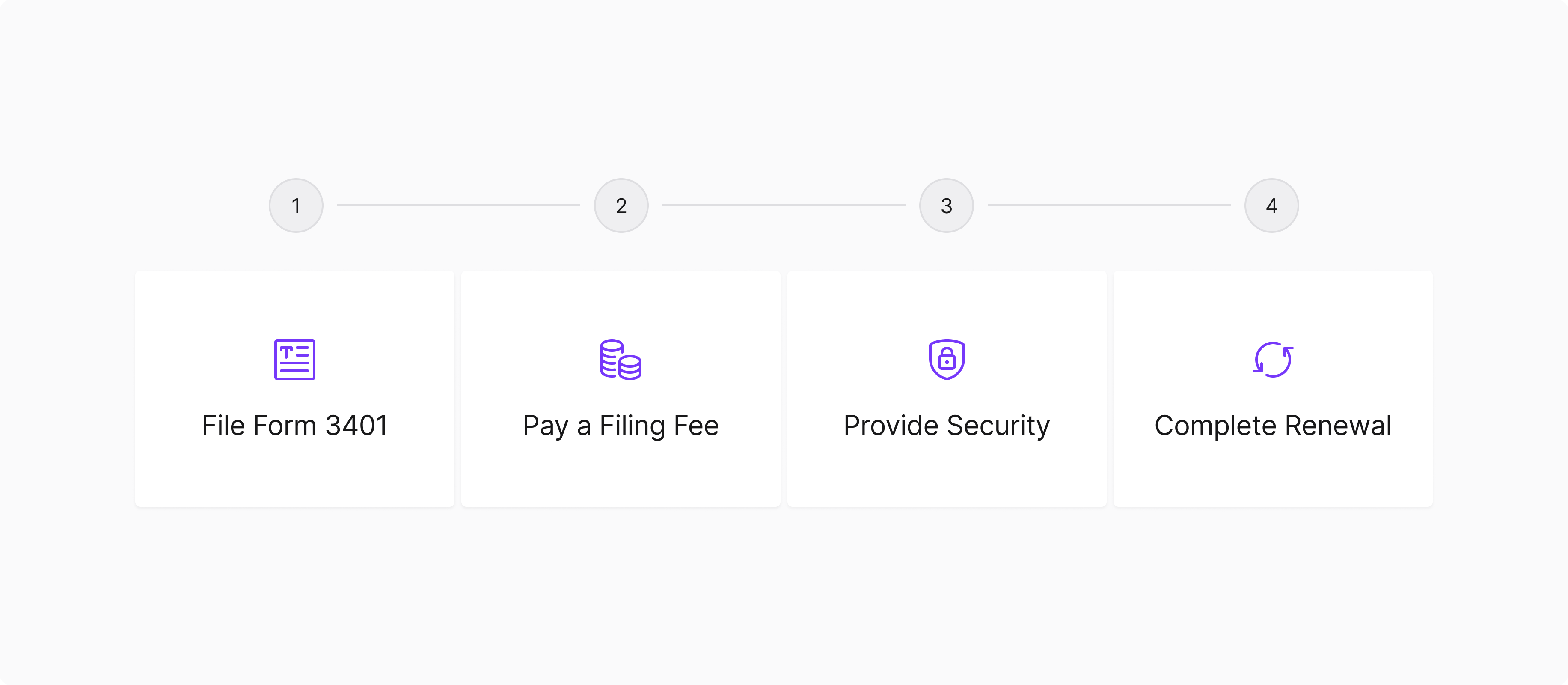
- File Form 3401 with the Texas Secretary of State
- Pay a $200 filing fee
- Provide $10,000 security through a surety bond, letter of credit, or certificate of deposit
- Complete annual renewal to maintain compliance
There’s a few key factors to keep in mind when registering. For one, multiple locations require separate registrations, meaning each location from which you send marketing texts or make calls must be listed on the registration form. In addition, the form has to include all relevant personnel, so ensure you include anyone employed or authorized to send texts or make calls on your behalf.
You can access Form 3401 through the Texas Secretary of State's website found at the link here.
Are There Exemptions?
Some businesses may qualify for exemptions, including, but not limited to:
- Publicly traded companies and their subsidiaries
- Certain nonprofit organizations and financial institutions
- Brick-and-mortar retailers operating under the same name for at least two years
- Businesses contacting existing or former customers while operating under the same name for at least two years
Exemption eligibility can be complex, so it's essential to review the complete exemption criteria with your legal counsel before jumping to any conclusions that could expose you to undue risk.
The Cost of Non-Compliance
Failing to register may result in:
- Civil penalties up to $5,000 per violation
- Private lawsuits from individuals under applicable Texas law
Given that multifamily marketing campaigns may involve hundreds or thousands of text messages, compliance is a priority.
What This Means for Multifamily Operations
For many multifamily operators, text messaging has become a crucial part of the resident acquisition and retention process. From initial prospect outreach to lease renewal communications, SMS offers an efficient way to connect with both prospective and current residents.
SB 140 doesn't prohibit these practices, but it does add a compliance layer that wasn't there before. The key is understanding whether your specific texting activities fall under the law's scope and taking appropriate action if they do.
Staying Compliant: Next Steps and the Bigger Picture
If your multifamily business uses text messaging for marketing purposes in or to Texas follow this four-step approach to ensure your organization keeps up with this changing legislation:
- Assess your current practices – Review what types of texts you send, who sends them, and where they originate
- Consult legal counsel – Determine whether SB 140 applies to your specific operations
- Register as soon as possible if required – Don't wait if registration is necessary; the law is already in effect
- Update your processes – Ensure your team understands the new requirements and incorporates compliance into existing workflows
SB 140 reflects a broader trend toward increased regulation of digital marketing practices, particularly around consent and consumer protection. As part of EliseAI's commitment to supporting compliant marketing practices, we require all users to adhere to applicable laws, including registration requirements like those implicated by SB 140. Our platform is designed to help you maintain effective resident communication while staying within regulatory boundaries.
The multifamily industry continues to evolve, and regulatory compliance is an increasingly important part of that evolution. By staying informed about changes like SB 140 and working with experienced legal counsel, you can ensure your marketing strategies remain both effective and compliant.