Healthcare practices often have more patients seeking care than their schedules can accommodate.
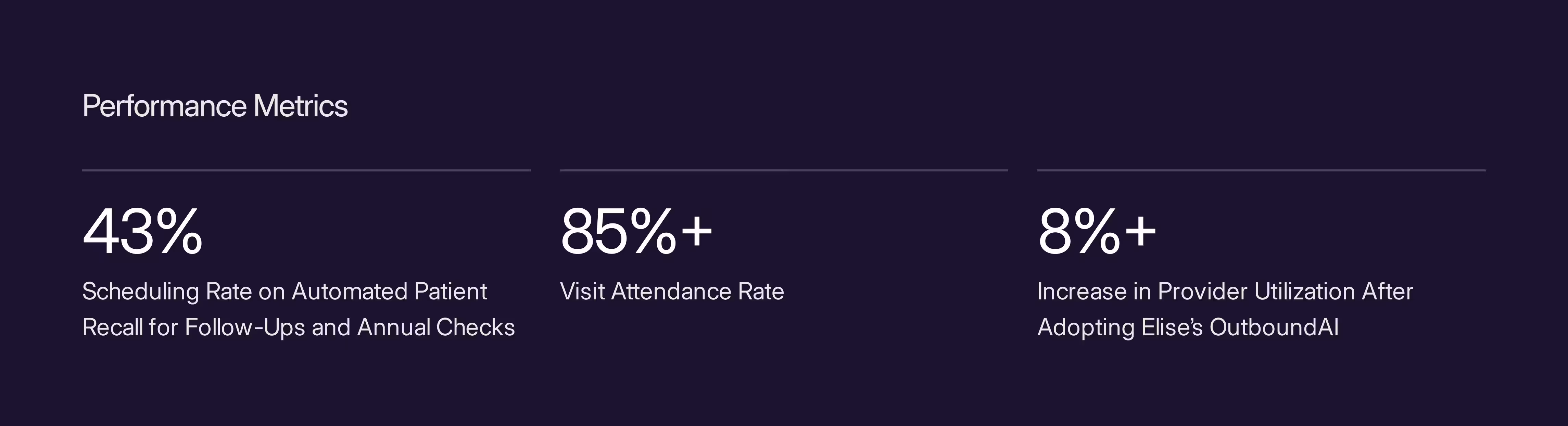
EliseAI’s outbound platform helps practices convert missed opportunities into completed visits through automated recalls, waitlist management, and personalized patient outreach.
.svg)

The Problem Isn’t Demand, It’s Follow-Through
A full schedule can still hide significant unused capacity.
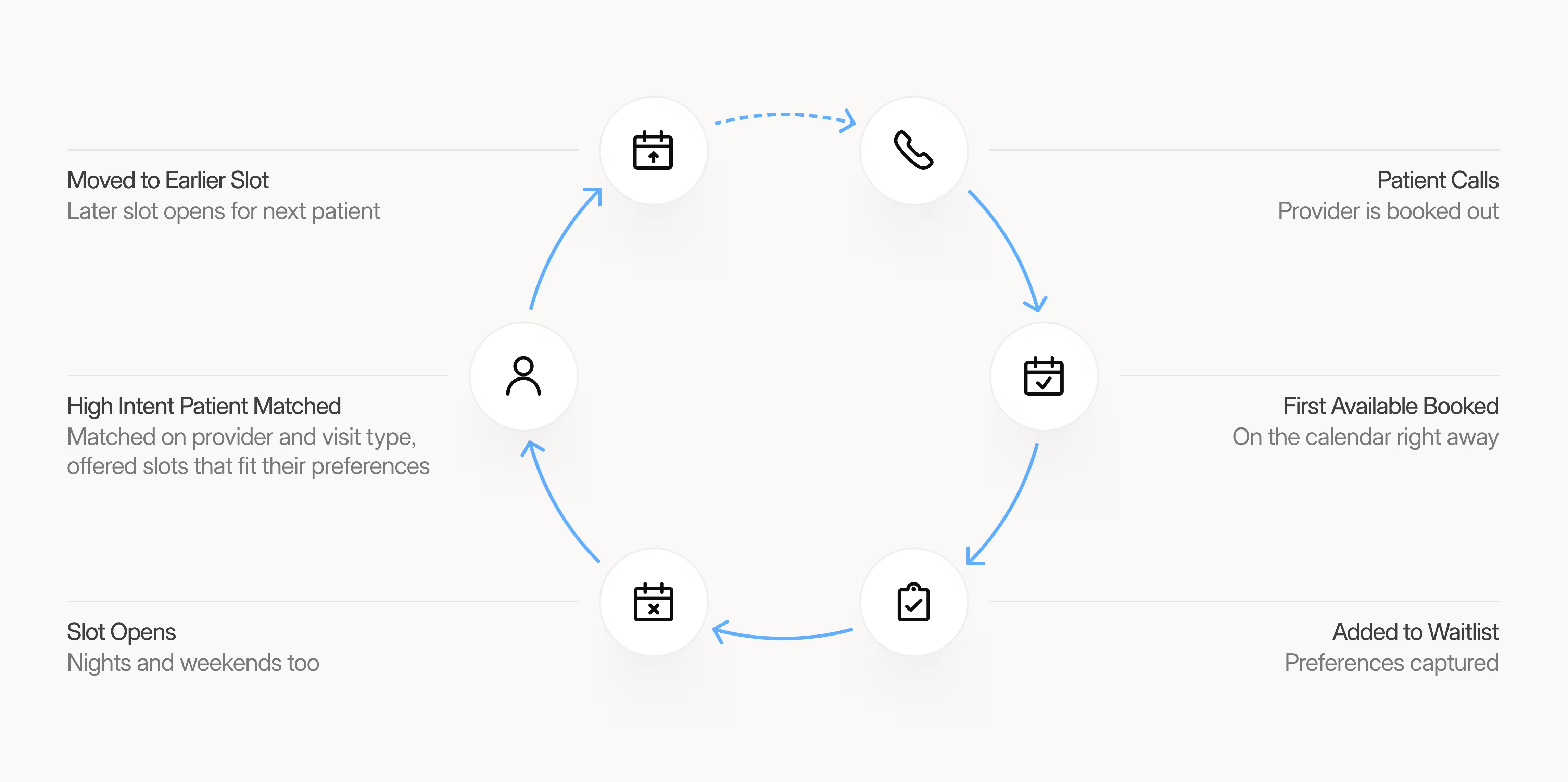
A patient may call to schedule an appointment, only to learn that the next opening is several weeks away. Without an automated waitlist process, a high-intent patient may never hear from the practice again.
Another patient may cancel at the last minute. By the time staff identify the opening and begin calling patients, the appointment time may already have passed.
The same challenge applies to patient recalls. Patients with overdue annual visits or recommended follow-ups may never schedule, not because they do not need care, but because no one reaches them at the right time or through the right channel.
EliseAI gives practices a centralized platform to manage these opportunities.


Automatically Fill Cancellations With High-Intent Patients
When a patient calls and a provider is booked out, EliseAI can automatically add that patient to the appropriate waitlist.
When an appointment becomes available, EliseAI reaches out to eligible patients and offers the opening. This is especially valuable for last minute cancellations or cancellations after business hours on the weekend.
Practices can tailor outreach through OutboundAI by:
- Preferred provider and location
- Appointment type
- Insurance requirements
- Clinical urgency
- New versus established patient status
Instead of relying on staff to manually work through a list, EliseAI can contact patients immediately and help convert open capacity into completed appointments.
Recapture Patients Who Would Otherwise Be Lost
Proactively intercepting patients before they fully fall out of their care journeys represents the highest value opportunities to prevent unrealized revenue. Including those who:
- Cancel or no-show
- Leave without a future appointment scheduled
- Are overdue for a follow-up visit
- Have an open provider order, but no appointment
- Have not responded to previous staff outreach
- Have a non-English language preference
- Have lapsed after a referral, procedure, or follow-up
Not every lapsed patient carries the same clinical or financial weight, so practices can prioritize outreach based on their own patient mix, specialty, and locations. EliseAI uses diagnosis codes, appointment history, provider orders, prior procedures, medications, imaging and lab results, age, payer, and insurance eligibility to determine who should be contacted and why.
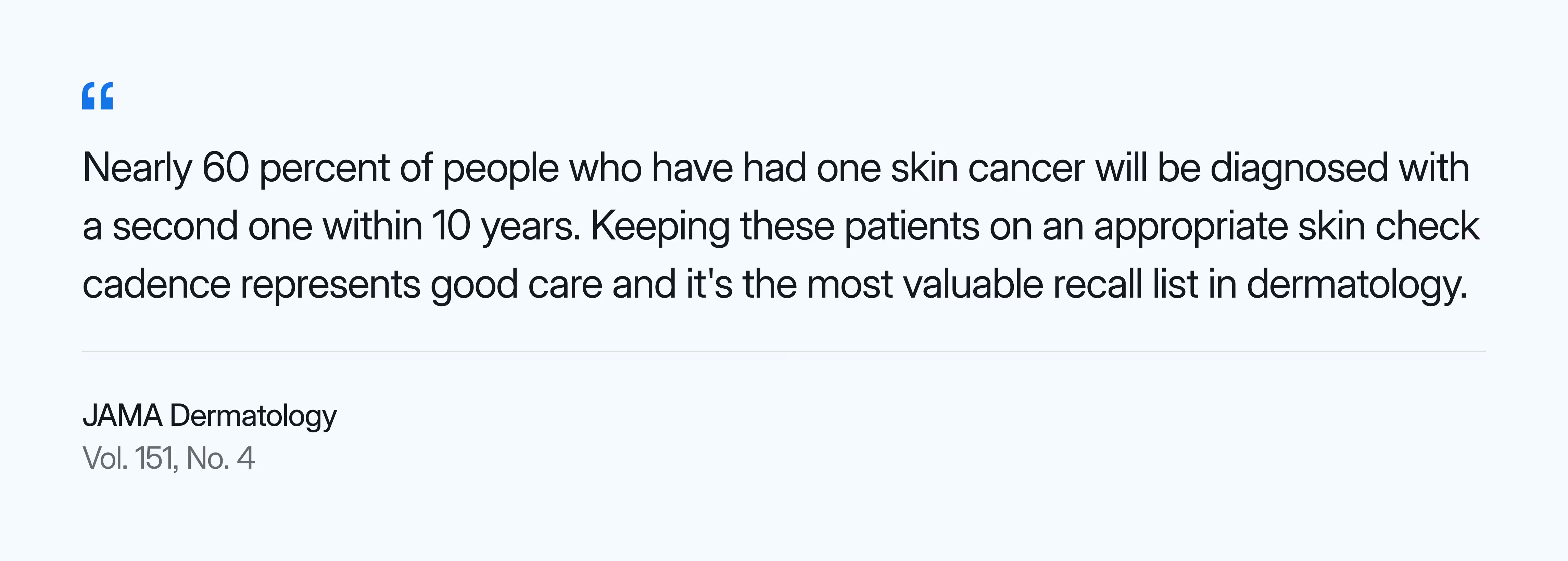
For example, in dermatology, a patient with a history of skin cancer may need a different outreach strategy than a patient seen once for a minor rash. Practices may prioritize outreach to patients who:
- Are at higher clinical risk, such as those with a history of skin cancer
- Have outstanding provider orders or are overdue for skin checks
- Have chronic conditions that require ongoing follow-up
A/B Testing to Improve Every Campaign
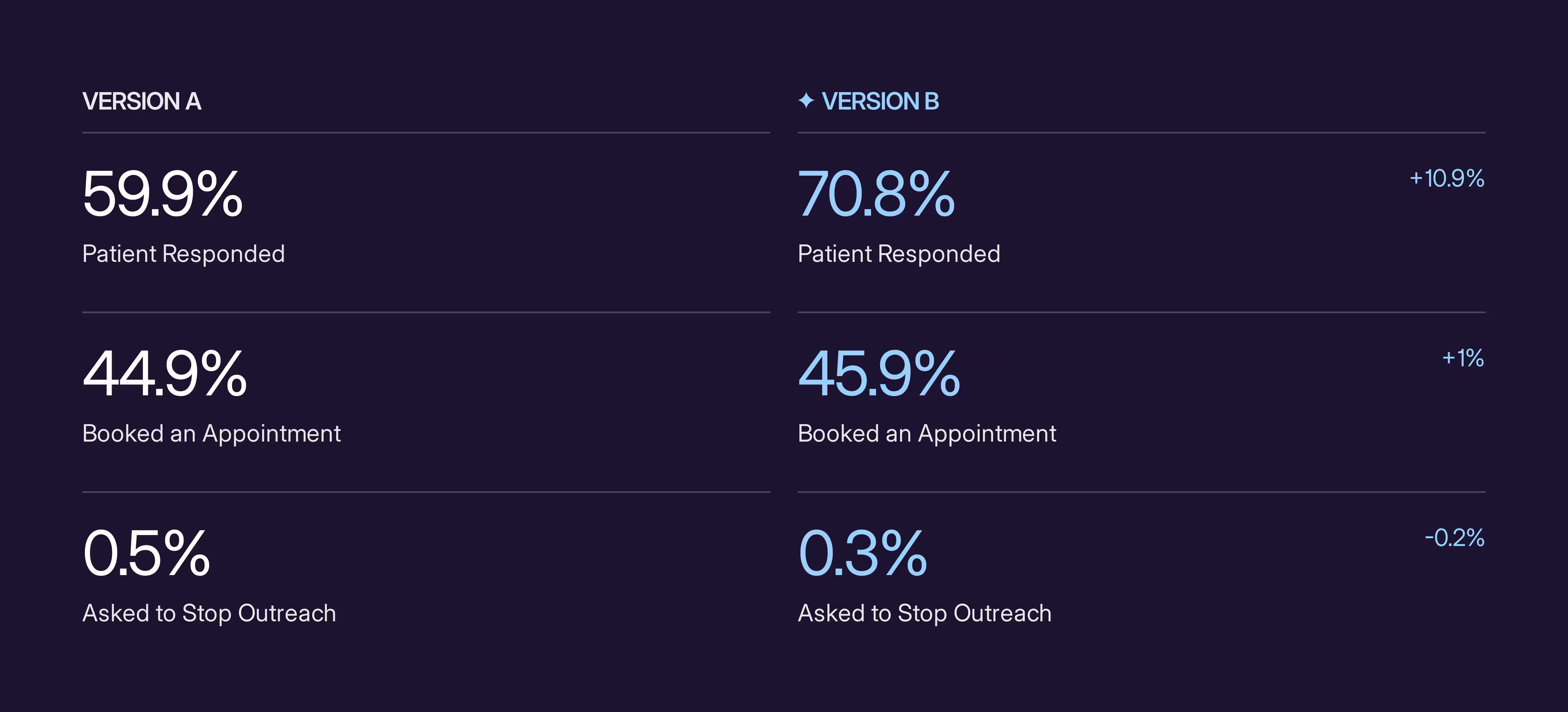
EliseAI enables practices to test different messages, channels, and cadences to determine how to best engage patients and improve their outcomes over time. Practices can compare:
- Phone versus SMS or email
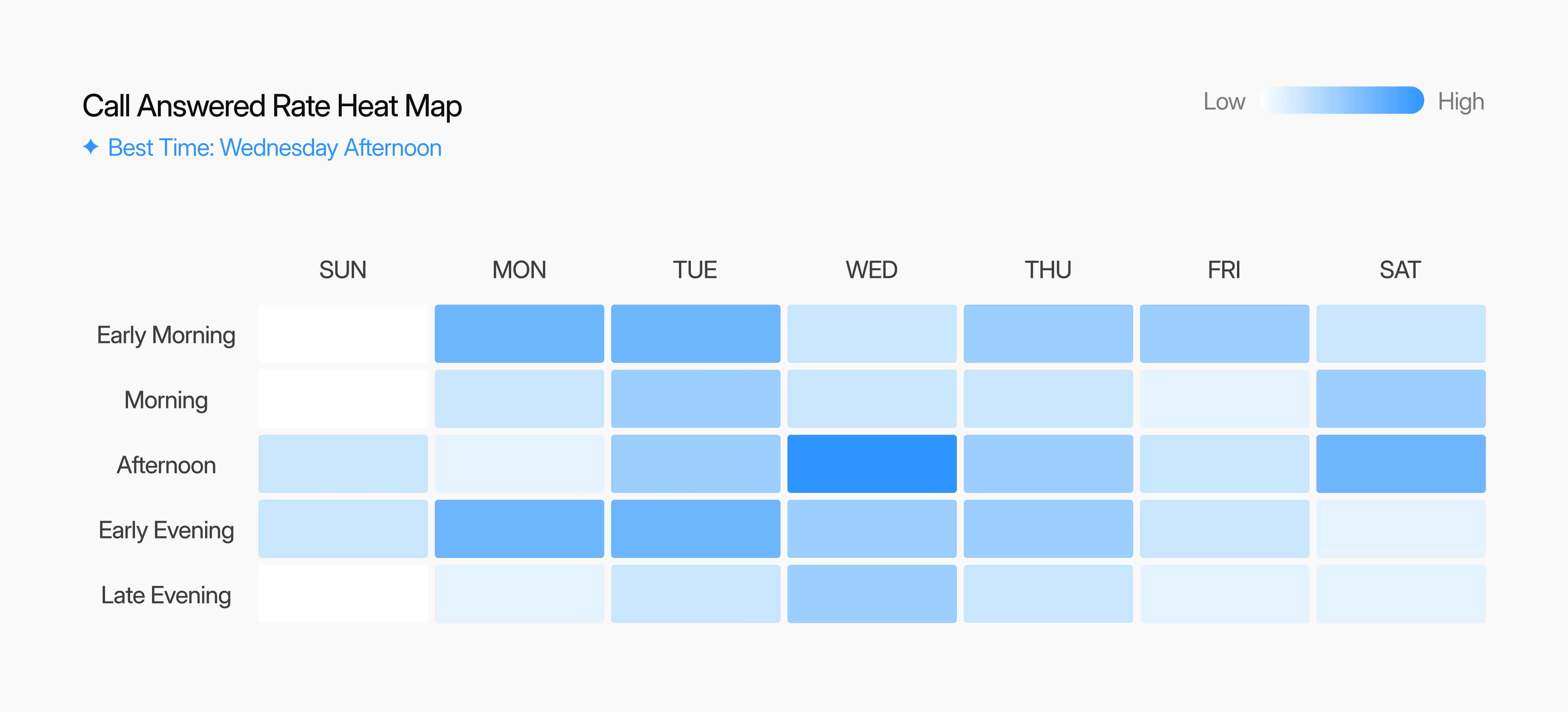
- Morning versus evening outreach
- Message variations
- Single-touch versus multistep campaigns
Every patient is unique. Some respond to phone calls. Others prefer text or email. Some are more likely to answer in the morning, while others engage after work. For many patients, receiving outreach in their preferred language is essential.
EliseAI can cohort patients by language, channel preference, prior engagement behavior, and availability, then reach out 24/7 through customized, multichannel campaigns.
If a patient does not respond through one channel, EliseAI can retry through another. If a patient consistently responds to text but not phone calls, future outreach will adapt to that behavior.
Outreach can also be customized to the use case, practice, provider, or location.
Practices can track conversion through the full funnel, from contact and response to scheduled appointment and completed visit. This allows teams to understand which strategies work best for each cohort, rather than relying on assumptions about patient behavior.